
Buying a home in Florida, whether it's a historic property in Winter Park or modern real estate in College Park, is an exciting venture. However, the Sunshine State’s unique climate of intense sun, powerful storms, and high humidity presents specific challenges that a generic home inspection might miss. A standard checklist simply won't suffice. To protect your investment and avoid expensive, unforeseen repairs, you need an inspection strategy tailored specifically for Florida's environment. This means going beyond the basics to scrutinize for issues like potential hurricane damage, signs of mold growth fueled by humidity, and the presence of resilient local pests.
This comprehensive Florida home inspection checklist is your essential pre-purchase guide. We will break down the seven most critical inspection areas that every prospective buyer in Orlando and beyond must evaluate. Forget vague advice; this list provides actionable insights and practical steps to ensure you’re making a sound decision. We’ll cover everything from assessing the integrity of the air conditioning system, a non-negotiable in our climate, to verifying the safety of a pool and ensuring the electrical system complies with local codes. Think of this not as a simple to-do list, but as a detailed blueprint for securing a safe, sound, and durable home. By focusing on these key areas, you can move forward with confidence, knowing you have thoroughly vetted your potential new property against the state's most common and costly problems. This guide is structured to deliver in-depth information, ensuring you are fully equipped for the inspection process.
1. Hurricane/Wind Damage Assessment
In Florida, a standard home inspection must go beyond the basics. A comprehensive hurricane and wind damage assessment is a critical first step in any thorough Florida home inspection checklist. This specialized evaluation examines the home's ability to withstand severe weather, a non-negotiable aspect of homeownership in the Sunshine State. It focuses on the exterior envelope and structural connections, which are the first lines of defense against hurricane-force winds and torrential rain.
This assessment isn't just about spotting existing damage; it’s about identifying vulnerabilities. An inspector will meticulously check the roof for loose or missing shingles, deteriorated flashing, and the age of the roofing material. They will also assess the integrity of windows and doors, looking for proper seals and determining if they are impact-rated or require shutters.
Pro Tip: Ask your home inspector if they offer a separate Wind Mitigation Inspection. While related, this official report can identify features that qualify you for significant discounts on your homeowner's insurance premiums, often paying for the inspection itself in the first year.
Key Components of a Wind Damage Assessment
A qualified inspector will focus on several critical areas that determine a home's resilience. The goal is to see how these systems work together to protect the structure.
- Roof System Integrity: This includes examining the roof-to-wall connections, the presence of a secondary water barrier, and how securely the roof decking is attached to the trusses.
- Opening Protection: All openings, including windows, entry doors, garage doors, and skylights, are checked for wind and impact resistance. Data from post-storm assessments have highlighted that the failure of a single garage door often led to catastrophic structural collapse.
- Structural Connections: The inspector will look for evidence of hurricane straps or clips that secure the roof structure to the walls, a key requirement in modern Florida building codes.
This summary visualizes the core components an inspector evaluates during a hurricane and wind damage assessment.
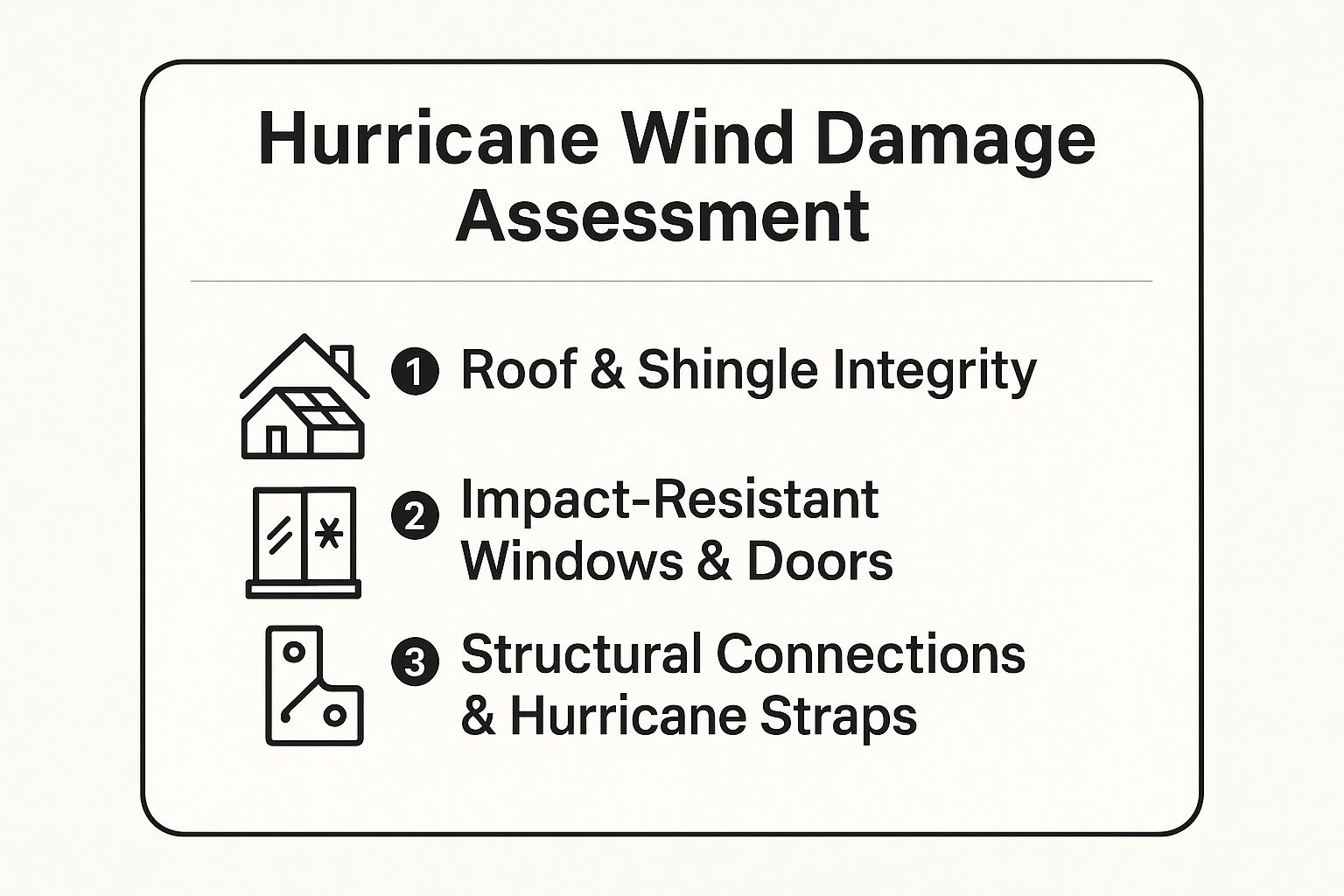
These three elements form the protective shell of the home, and weakness in any one area can compromise the entire structure during a major storm. Understanding these components is essential for any potential home buyer in Florida.
For a deeper look at how storm-resistant features are tested and why they are so vital, this video provides excellent insights.
Ultimately, a hurricane/wind damage assessment provides invaluable peace of mind. It helps you understand the home's true condition, budget for necessary upgrades, and secure proper insurance coverage. In a state defined by its beautiful but powerful weather, this inspection is not an option; it's a necessity.
2. Air Conditioning System Evaluation
In Florida's relentless heat and humidity, a home's air conditioning system is not a luxury; it's the heart of the home's comfort and livability. A detailed HVAC evaluation is a non-negotiable part of any Florida home inspection checklist. This goes far beyond simply turning on the system to see if cold air comes out. It involves a meticulous review of the entire system's health, from the outdoor condenser to the indoor air handler and the ductwork that distributes cool air throughout the house.
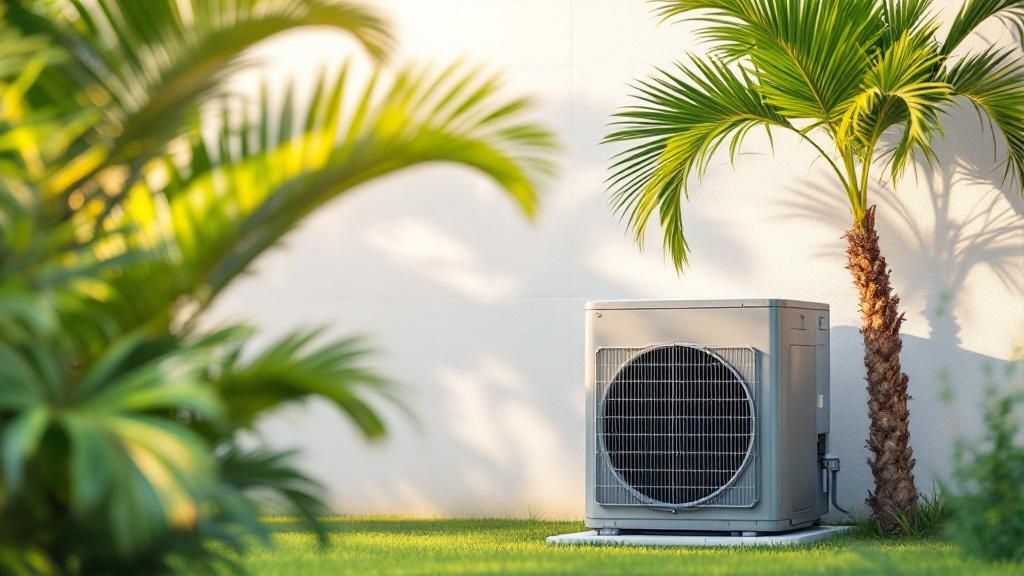
The primary goal is to assess the system's capacity to handle Florida's extreme climate, its energy efficiency, and its ability to effectively dehumidify the air. An inspector will check for common Florida-specific issues like accelerated corrosion on coastal properties due to salt air or systems that are improperly sized and struggle to keep up during the scorching summer months. A poorly performing AC unit can lead to high energy bills, uncomfortable living conditions, and potential mold growth from excess humidity.
Pro Tip: Ask for the system's maintenance records. A history of regular service by a qualified technician is a strong indicator of a well-cared-for unit. If records are unavailable or the system is over 10 years old, consider hiring a licensed HVAC contractor for a more in-depth, specialized evaluation.
Key Components of an HVAC Evaluation
A thorough inspector will evaluate several interconnected components to gauge the overall performance and lifespan of the cooling system.
- System Age and Condition: The inspector will determine the manufacturing date of the condenser and air handler. They will check for visible rust, corrosion, refrigerant leaks, and the physical condition of the coils.
- Performance and Sizing: The system will be run to measure the temperature differential between the supply and return air, a key performance indicator. The inspector will also assess if the unit appears appropriately sized for the home's square footage, a common issue in older Florida homes.
- Ductwork and Airflow: The inspection includes a visual check of accessible ductwork for proper sealing, insulation, and any signs of damage or deterioration. According to the U.S. Department of Energy, leaky or poorly insulated ducts can waste a significant portion of a home's cooling energy.
For a comprehensive understanding of what to look for and how to maintain your cooling systems, consider reviewing an ultimate HVAC preventative maintenance checklist for detailed guidance.
These core elements determine not just if the house stays cool, but how efficiently and healthily it does so. Problems with the AC system can be some of the most expensive post-purchase repairs, making this part of the inspection absolutely critical. A comprehensive evaluation gives you the leverage to negotiate repairs or a price reduction, ensuring you don't inherit a costly problem.
3. Moisture and Mold Assessment
In Florida's humid subtropical climate, managing moisture is a constant battle. A dedicated moisture and mold assessment is therefore an indispensable part of any comprehensive Florida home inspection checklist. This evaluation goes beyond a quick glance, focusing on identifying signs of water intrusion, elevated humidity, and the resulting potential for mold growth, which can cause both health issues and significant structural damage.
This inspection systematically hunts for evidence of past and present moisture problems. An inspector will use tools like moisture meters and thermal imaging cameras to detect hidden water in walls, floors, and ceilings. They will pay special attention to areas naturally prone to moisture, such as bathrooms, kitchens, laundry rooms, and crawl spaces, looking for stains, peeling paint, warped materials, or a musty odor. For example, it's common to find microbial growth within AC ductwork due to constant condensation, a critical point of inspection.
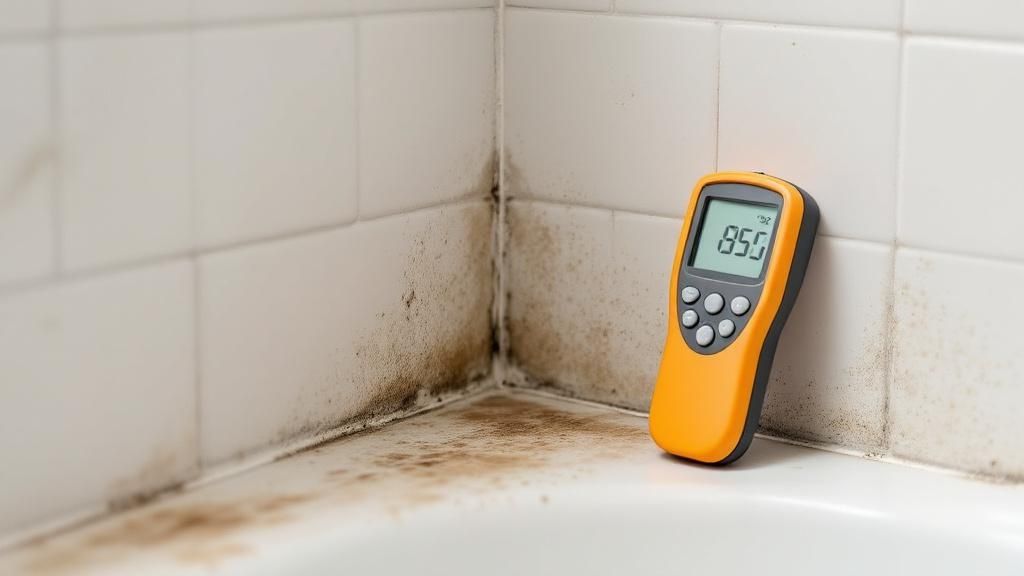
Pro Tip: If an inspector notes conditions conducive to mold (e.g., musty smells, visible staining, high humidity readings) but sees no visible growth, consider ordering a separate professional mold test. This can involve air and surface sampling to identify the presence and type of mold spores, giving you a complete picture of the indoor air quality.
Key Components of a Moisture and Mold Assessment
A skilled inspector investigates the root causes of moisture, not just the symptoms. The goal is to ensure the home has effective defenses against Florida's pervasive humidity and frequent rain.
- Interior Moisture Sources: This involves a thorough check of all plumbing fixtures, appliances, and HVAC systems for leaks or condensation. Inspectors will verify that bathroom and kitchen exhaust fans are properly vented to the exterior, not just into the attic, which can create a perfect breeding ground for mold.
- Building Envelope Integrity: The inspector examines windows, doors, and wall penetrations for failed seals, damaged weatherstripping, or improper caulking that could allow rainwater to enter. The foundation and exterior walls are also checked for cracks and proper grading to ensure water drains away from the structure.
- Ventilation and Humidity Control: Proper attic and crawl space ventilation is crucial for allowing moisture to escape. The inspector assesses the HVAC system's ability to dehumidify the air. Effectively controlling indoor humidity is the first line of defense against mold.
These three areas represent the primary pathways for moisture to compromise a home. A weakness in any one of them can lead to a cascade of problems, from deteriorating building materials to poor indoor air quality. Understanding these vulnerabilities is crucial before purchasing any property in Florida. An unresolved moisture issue is a problem that will only get worse.
4. Pool and Spa Safety Inspection
A swimming pool is a signature feature of many Florida homes, but it also represents a significant liability. A detailed pool and spa safety inspection is therefore an indispensable part of any Florida home inspection checklist. This goes far beyond simply checking if the pump turns on; it’s a comprehensive evaluation of the pool’s structural integrity, equipment functionality, and, most importantly, its compliance with the state's strict safety regulations designed to prevent accidents.
This inspection is crucial because Florida law, particularly the Residential Swimming Pool Safety Act, mandates specific safety barriers and features. An inspector will assess the entire pool environment, from the condition of the pool surface and surrounding deck to the electrical systems and filtration equipment. Many older pools may not meet current safety barrier codes, representing a critical safety hazard and a potential legal and financial liability for a new owner.
Pro Tip: Always ask the seller for any available maintenance records and equipment manuals. Understanding the service history of the pool pump, filter, and heater can reveal potential hidden costs and help you anticipate future repairs, which can be accelerated by Florida's high humidity and, in coastal areas, salt air.
Key Components of a Pool and Spa Safety Inspection
A qualified inspector will methodically evaluate the interconnected systems that ensure a pool is safe, functional, and compliant. The goal is to identify any immediate safety risks or upcoming maintenance needs.
- Safety Barrier and Gate Compliance: The inspector will verify that all fences, gates, doors, and alarms meet the stringent requirements of Florida law. This includes checking that gates are self-closing and self-latching and that alarms on house doors leading to the pool are operational.
- Equipment and Electrical Systems: This involves a thorough check of the pump, filter, heater, and all associated plumbing for leaks and proper operation. Critically, the inspector will test all GFCI (Ground Fault Circuit Interrupter) outlets and the bonding of electrical components to prevent electrocution risks.
- Structural and Surface Condition: The pool's interior surface (plaster, pebble, or vinyl) is inspected for cracks, stains, or deterioration. The surrounding deck is checked for trip hazards, cracks, and proper drainage to prevent water from pooling near the home's foundation.
This summary visualizes the core components an inspector evaluates during a pool and spa safety inspection.
These three areas cover the primary aspects of pool ownership: safety, functionality, and longevity. A deficiency in any of these can lead to dangerous conditions or expensive, unexpected repairs.
For a detailed overview of state requirements, the Florida Department of Health provides essential resources on residential swimming pool safety.
Ultimately, a thorough pool inspection provides a clear picture of what you are taking on. It protects your family, helps you budget for necessary upgrades, and ensures you can enjoy your backyard oasis safely and without worry. Given the prevalence of pools in Florida, this specialized inspection is a critical step for any informed homebuyer.
5. Termite and Pest Inspection
Given Florida's warm, humid climate, a specialized termite and pest inspection is an indispensable part of any Florida home inspection checklist. This goes far beyond a casual look for bugs; it's a detailed examination for wood-destroying organisms (WDOs) and other common invaders. In Florida, pests aren't a seasonal nuisance, they are a year-round threat that can cause significant structural damage and financial loss if left unchecked.
This inspection specifically targets evidence of pests that thrive in the Sunshine State, such as subterranean and drywood termites, carpenter ants, and powder post beetles. An inspector will look for active infestations, damage from past activity, and conditions conducive to future problems, like excess moisture or wood-to-ground contact. The aggressive Formosan subterranean termite, for example, can cause extensive damage to homes annually, making this inspection a crucial preventative measure.
Pro Tip: Always hire a licensed and insured pest control professional for your WDO inspection, which is often separate from the general home inspection. Ask for any existing termite bonds or treatment warranties on the property, as these can sometimes be transferred to the new owner, offering valuable, pre-paid protection.
Key Components of a Termite and Pest Inspection
A certified WDO inspector systematically evaluates the property for signs of infestation and vulnerabilities that could attract pests. The goal is to provide a complete picture of the home's pest-related health.
- Evidence of Infestation: This includes searching for termite mud tubes on foundation walls, hollow-sounding or damaged wood, and discarded wings near windowsills. Inspectors also look for the sawdust-like "frass" left by carpenter ants or the tiny exit holes created by powder post beetles.
- Moisture and Wood Contact: Inspectors will carefully check for areas with high moisture levels, such as leaking pipes, poor drainage, or clogged gutters, as these are highly attractive to termites and other pests. They also identify any direct wood-to-soil contact, which provides an easy bridge for subterranean termites to enter the home.
- Previous Treatment Clues: The inspector will look for signs of past treatments, like drill marks in concrete slabs or foundations, and review any available documentation. Verifying the history of pest management is crucial for understanding the home's long-term risk profile.
This summary highlights the critical areas a professional will examine during a comprehensive pest and termite inspection.
These three focal points are essential for identifying both current and potential pest-related threats to the property. Understanding the signs of trouble and the conditions that pests love is vital for every Florida homebuyer.
To learn more about what a professional looks for during this critical assessment, you can delve deeper into the process with this essential guide to termite and pest inspection, which details the specific signs of different infestations.
Ultimately, a thorough WDO inspection protects your investment from silent destroyers. It provides the clarity needed to address existing issues, implement preventative measures, and ensure the long-term structural integrity of your new Florida home.
6. Electrical System and Code Compliance
In Florida, a home's electrical system is constantly challenged by high humidity, intense heat, and the threat of power surges from lightning and storms. A thorough evaluation of the electrical system is a non-negotiable part of any Florida home inspection checklist. This inspection goes beyond simply flipping switches; it involves a deep dive into the safety, capacity, and code compliance of the entire system, from the service drop to the last outlet.
This assessment is crucial for identifying hidden dangers and potential high-cost repairs. An inspector will examine the main electrical panel for proper branding, capacity, and any signs of overheating or corrosion, which is accelerated in Florida's coastal environments. They will also look for outdated or problematic wiring, such as ungrounded circuits or the presence of older aluminum branch wiring, which may require specialized connectors to be safe.
Pro Tip: Inquire about the age and brand of the electrical panel. Certain older panels, such as those from Federal Pacific Electric or Zinsco, are known for high failure rates and may be uninsurable or require immediate replacement, a significant unforeseen expense.
Key Components of an Electrical System Inspection
A qualified inspector will methodically assess several critical areas to ensure the system is safe, functional, and up to code. The goal is to verify that the home can handle modern electrical demands safely within Florida's unique climate.
- Panel and Service Capacity: The inspector checks the main service panel for its amperage rating to ensure it can support the home's needs, particularly the heavy load from central air conditioning. They also look for clear labeling, proper breaker function, and signs of corrosion or arcing.
- Wiring and Grounding: This involves spot-checking the type and condition of visible wiring, looking for unsafe modifications, and verifying that the system is properly grounded. Proper grounding is essential for protecting both occupants and sensitive electronics from electrical surges.
- GFCI and AFCI Protection: Florida's building codes mandate Ground Fault Circuit Interrupter (GFCI) protection in all "wet" areas like kitchens, bathrooms, garages, and outdoor receptacles to prevent shock. Arc Fault Circuit Interrupter (AFCI) protection is also required in most living areas in newer homes to prevent fires from dangerous electrical arcs.
For more information on the importance of GFCI outlets and home electrical safety, the Electrical Safety Foundation International (ESFI) provides excellent resources for homeowners.
Ultimately, a detailed electrical inspection protects you from significant safety hazards and financial liability. It confirms the home's electrical system is not just functional but also compliant with modern safety standards, providing peace of mind and ensuring you can secure homeowner's insurance without issue.
7. Foundation and Structural Assessment
A home's foundation is its literal bedrock, and in Florida, unique environmental factors make a thorough structural assessment an indispensable part of any Florida home inspection checklist. The state's sandy soils, high water tables, and susceptibility to hurricane-force winds place immense stress on a home’s structural components. This evaluation goes beyond a surface-level glance, delving into the core elements that keep the home standing strong.
An inspector will analyze the foundation type, which is often a monolithic concrete slab in Florida, but can also be a pier and beam system for elevated homes in coastal or flood-prone areas. They are searching for tell-tale signs of stress or failure, such as significant cracks, differential settlement, or evidence of water intrusion, which can all lead to severe and costly problems down the road.
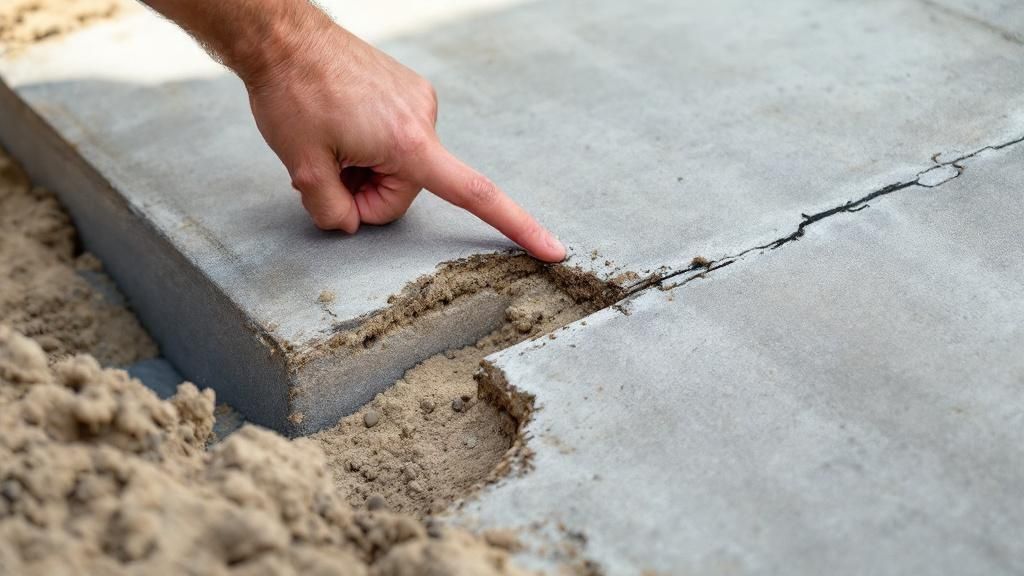
Pro Tip: When viewing a property, pay close attention to interior signs that may indicate foundation issues. Doors that don't latch properly, cracks appearing in drywall above door frames, or uneven floors can all be symptoms of underlying settlement problems that warrant a professional's eye.
Key Components of a Foundation and Structural Assessment
A comprehensive structural inspection focuses on how the home’s foundation, walls, and roof work as an integrated system to handle vertical loads (gravity) and lateral loads (wind).
- Foundation Integrity: The inspector will examine the visible portions of the foundation for cracking, spalling (flaking concrete), or signs of movement. For instance, many homes built on Florida's sandy soil may exhibit minor settlement cracks; the inspector’s job is to distinguish these from more serious structural cracks that indicate a significant problem.
- Load-Bearing Elements: This includes checking interior and exterior load-bearing walls, columns, and beams for proper alignment and stability. In older homes, an inspector will verify if retrofits like hurricane straps have been added to meet modern building codes, which is crucial for structural resilience.
- Drainage and Site Grading: Poor drainage is a leading cause of foundation failure. The inspector will assess the landscape grading to ensure water flows away from the foundation, not toward it. Standing water or soil erosion near the base of the home are major red flags.
This summary visualizes the core components an inspector evaluates during a foundation and structural assessment.
| Component | Focus Area | Common Florida Issue |
|---|---|---|
| Foundation Slab | Cracks, settlement, moisture | Cracking due to sandy soil settlement |
| Structural Connections | Hurricane straps, truss ties | Missing straps in older, non-retrofitted homes |
| Site Drainage | Grading, gutters, water flow | Poor grading causing water to pool against the foundation |
These three areas provide a complete picture of the home's structural health. Understanding these elements is crucial for assessing long-term stability and potential future expenses. For a detailed guide on identifying foundation problems, the National Association of Home Builders provides excellent resources for homeowners.
Ultimately, a detailed foundation assessment protects your investment by uncovering hidden risks. It ensures the home you're considering is safe, sound, and ready to withstand the unique challenges of the Florida environment, giving you confidence and peace of mind.
Florida Home Inspection Checklist Comparison
| Inspection Type | Implementation Complexity 🔄 | Resource Requirements ⚡ | Expected Outcomes 📊 | Ideal Use Cases 💡 | Key Advantages ⭐ |
|---|---|---|---|---|---|
| Hurricane/Wind Damage Assessment | Moderate – requires specialized knowledge of Florida codes | Moderate – certified inspectors and weather-dependent timing | Identifies structural and exterior vulnerabilities to severe weather | Homes in hurricane-prone Florida regions | Improves safety, potential insurance savings |
| Air Conditioning System Evaluation | Moderate – HVAC technician recommended | Moderate to High – system testing equipment and energy rating verification | Ensures cooling efficiency and humidity control | All homes with AC systems, especially older units | Prevents breakdowns, energy savings |
| Moisture and Mold Assessment | Moderate – may require special testing beyond visual | Moderate – moisture meters, possible lab testing | Detects moisture intrusion and mold risks | Properties with high humidity or water damage history | Protects health, prevents costly mold remediation |
| Pool and Spa Safety Inspection | Moderate – specialized pool inspectors advised | Moderate – equipment and safety code knowledge | Ensures compliance with safety codes | Homes with pools or spas | Enhances safety, reduces liability risks |
| Termite and Pest Inspection | Moderate – licensed pest professionals needed | Moderate – inspection tools and possible treatment | Identifies active infestations and damage risks | All Florida homes, which are prone to pests | Early damage detection, lender requirement support |
| Electrical System and Code Compliance | High – requires licensed electricians and code knowledge | High – testing equipment and possible upgrades | Ensures electrical safety and code compliance | All homes, especially older installations | Prevents fires, ensures insurance compliance |
| Foundation and Structural Assessment | High – often requires structural engineer input | High – detailed inspection and testing tools | Detects structural defects and foundation issues | Homes in flood zones or with known soil concerns | Prevents catastrophic failure, ensures code compliance |
Making Your Move with Confidence
Navigating the complexities of the Florida real estate market requires more than just a passing glance. This comprehensive florida home inspection checklist serves as your foundational guide, empowering you to look beyond the surface and understand the unique challenges and opportunities inherent in Sunshine State properties. You are now equipped with the critical knowledge to scrutinize the elements that matter most.
By internalizing this checklist, you transform from a hopeful buyer into an informed investor. You understand that a home's resilience is not just in its walls but in its ability to withstand hurricane-force winds, its capacity to keep you cool and dry with an efficient AC system, and its defenses against the persistent threats of moisture, mold, and pests. You are prepared to ask the right questions and identify potential red flags that others might miss.
From Checklist to Actionable Intelligence
The true power of this guide is not in simply checking off boxes. It lies in using the information you gather as a strategic tool. The findings from your walkthrough and the subsequent professional inspection are not necessarily deal-breakers; they are negotiation points and a detailed roadmap for future ownership.
- For Home Buyers: An aging roof, an inefficient air conditioner, or evidence of past water intrusion becomes leverage. You can negotiate for repairs, a price reduction, or seller credits to cover future expenses. This checklist helps you quantify the potential costs and make a purchase offer that reflects the home’s true condition.
- For Home Sellers: Proactively addressing these items before listing your property can significantly increase its market value and appeal. A pre-listing inspection provides transparency, builds trust with potential buyers, and can lead to a faster, smoother sale with fewer last-minute surprises.
Remember, every home has its own story and its own set of imperfections. A thorough inspection process, guided by a robust florida home inspection checklist, is about understanding that story completely. It’s about ensuring there are no hidden chapters that could cost you peace of mind and financial stability down the road.
The Ultimate Takeaway: Your Partner in the Process
While this checklist is an invaluable asset, it is one part of a larger equation. Its primary purpose is to prepare you for the most crucial step: a professional home inspection conducted by a licensed, insured, and experienced Florida inspector. They have the specialized tools, training, and local knowledge to uncover issues that are invisible to the untrained eye, from subtle foundation shifts to hidden electrical hazards.
Key Insight: The goal is not to find a "perfect" home, as such a thing rarely exists. The goal is to find the right home for you, with a full and transparent understanding of its current state and future needs. This knowledge is what builds true buyer confidence.
Ultimately, mastering this process is about protecting your most significant investment. It’s about ensuring your new Florida home is a sanctuary, a place of comfort and security, not a source of unexpected stress and financial strain. By approaching the inspection with diligence and the right professional support, you are laying the groundwork for years of happy, confident homeownership.
Turning this checklist into a successful home purchase requires a real estate partner who understands the local landscape inside and out. The team at ACME REAL ESTATE FLORIDA lives and breathes the Central Florida market, connecting clients with top-tier home inspectors and expertly navigating inspection negotiations. Partner with a team that can help you secure a home that's not just beautiful, but also safe, sound, and ready for your future. ACME REAL ESTATE FLORIDA.
